How I Fixed My Hair Struggles for Good – A Real Comeback Plan
Hair problems used to wreck my confidence—thin strands, constant breakage, zero shine. I felt stuck, trying everything with no real results. But after months of research and testing, I built a system that actually works. This isn’t a quick fix; it’s a full hair rehab journey. If you’re tired of guessing what’s wrong, this plan brings clarity, consistency, and real progress. Let’s break down what really matters—and how small changes add up to big transformations.
The Breaking Point: When Hair Problems Got Real
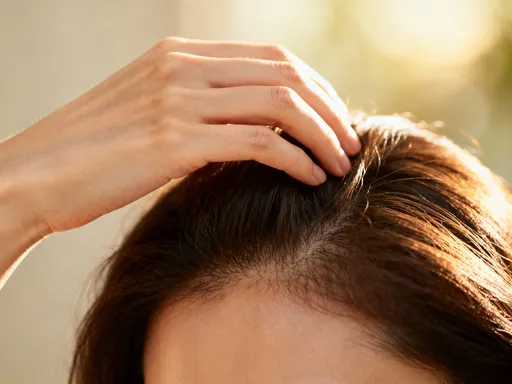
For years, mornings began the same way: standing in front of the mirror, pulling at limp strands, wondering why nothing helped. Split ends crept up like silent invaders. Ponytails grew thinner, not from style choices, but from hair that simply wasn’t there anymore. What started as mild concern turned into real distress. The mirror didn’t lie—something was wrong. Over-the-counter shampoos promised miracles but delivered nothing. Serums left hair greasy. Supplements felt like expensive guesses. Each failed attempt chipped away at confidence, making social events and photos something to dread rather than enjoy.
It wasn’t just about appearance. Hair became a symbol of how I felt inside—overwhelmed, neglected, out of control. The frustration wasn’t limited to bad hair days; it was the cycle of hope and disappointment that wore me down. I’d read reviews, buy new products, try them for a few weeks, and watch in silence as results fizzled. The emotional toll was real. Many women in their 30s to 50s face this quietly, assuming it’s just aging or stress. But when hair loss or damage persists, it’s not something to accept—it’s a signal.
The turning point came during a routine doctor visit. After mentioning my concerns, the physician asked about my diet, sleep, and stress levels—factors I hadn’t connected to my hair. That conversation shifted everything. Instead of chasing another trendy product, I decided to treat hair health like a system. No more random fixes. No more blind faith in marketing claims. I committed to understanding the root causes, building sustainable habits, and tracking real progress. This wasn’t about vanity. It was about self-respect and long-term well-being.
Understanding Hair Health: It’s More Than Just Shampoo
Most people think of hair as something that grows from the scalp like grass—cut it, style it, water it with conditioner. But hair is far more complex. Each strand is a living structure with a lifecycle made up of three main phases: anagen, catagen, and telogen. The anagen phase is the active growth stage, lasting two to seven years. During this time, cells in the hair follicle divide rapidly, building the strand from the root. The length of this phase determines how long your hair can grow.
Next is the catagen phase, a short transitional period lasting about two to three weeks. Growth stops, and the follicle shrinks. Finally, the telogen phase is the resting stage, where the hair remains in place but isn’t growing. After about three months, the old hair sheds, making room for a new one to begin the cycle again. On average, a person loses 50 to 100 strands daily—this is normal. But when shedding exceeds this range or new growth stalls, it’s a sign that the cycle is disrupted.
Several internal and external factors influence this delicate process. Nutrition plays a foundational role. Hair is made mostly of keratin, a type of protein, so insufficient dietary protein can directly affect strength and growth. Iron deficiency, especially common in women, is linked to hair thinning because iron helps red blood cells carry oxygen to follicles. Hormonal shifts during perimenopause, postpartum periods, or thyroid imbalances can also trigger changes. Chronic stress raises cortisol levels, which may push more follicles into the resting phase prematurely.
Then there’s the scalp—the often-overlooked soil from which hair grows. A clogged, inflamed, or dry scalp creates a poor environment for healthy follicles. Using heavy styling products, skipping regular cleansing, or ignoring dandruff can all compromise this foundation. The key insight? What you see on the surface—dryness, breakage, thinning—is usually a symptom. Lasting improvement requires looking beneath the surface, addressing the biological and lifestyle factors that sustain hair health over time.
Mapping the Rehab Plan: A System, Not a Hack
After recognizing that random product swaps wouldn’t solve the problem, I designed a structured approach: assess, adjust, maintain. This framework turned chaos into clarity. The first step—assessment—meant taking a full inventory of my current habits. I listed every product I used, how often I washed my hair, my styling routines, and even my weekly meals. I also took close-up photos and noted areas of concern: a widening part, slow growth, split ends. This baseline helped me identify patterns and weaknesses without judgment.
The adjustment phase was about targeted changes based on evidence, not trends. I didn’t overhaul everything at once. Instead, I prioritized one or two high-impact shifts each month. For example, I started by switching to a gentler shampoo and adding a weekly scalp treatment. Once those became routine, I focused on improving protein intake and reducing heat styling. This gradual method prevented burnout and made the process feel manageable. Each change was small but intentional, designed to support the hair cycle rather than disrupt it further.
Sustainability was the goal. Extreme measures—like cutting out all styling tools or adopting a restrictive diet—might show short-term results but are hard to maintain. I learned that consistency beats intensity. Wearing a silk scarf at night four times a week is better than doing it perfectly for one week and giving up. The same goes for nutrition: eating a protein-rich breakfast three times a week builds momentum more effectively than a one-day cleanse.
Maintenance came next—the phase many overlook. Once improvements began, I didn’t stop. Instead, I continued tracking progress and fine-tuning habits. I accepted that hair health isn’t static. Seasons change, stress levels rise, hormones shift. A good system includes flexibility. The plan wasn’t about achieving perfection but creating resilience. By treating hair care as a long-term practice, not a project with an end date, I built habits that lasted. This mindset shift—from quick fix to lifelong care—was the real breakthrough.
Scalp First: The Forgotten Foundation
If hair is the plant, the scalp is the soil. No matter how much you water a plant, if the soil is compacted, nutrient-poor, or clogged, growth will be weak. Yet most hair routines focus entirely on the strands, ignoring the foundation beneath. An unhealthy scalp can lead to flaking, itching, excess oil, or even follicle blockage, all of which interfere with healthy hair production. Recognizing this changed how I approached care.
Signs of scalp distress are easy to miss. Mild flakiness might be dismissed as dandruff, but it could indicate dryness, fungal imbalance, or product buildup. Oiliness isn’t always about overproduction—sometimes it’s the scalp overcompensating for harsh cleansers that strip natural oils. I started paying attention to how my scalp felt, not just looked. Tightness, redness, or tenderness were clues that something was off.
I introduced gentle but effective practices. Instead of washing less to “preserve oils,” I adjusted frequency based on my scalp’s needs—every three to four days, using a sulfate-free cleanser. I added a weekly scalp exfoliation using a soft brush and a mild clarifying treatment to remove residue from dry shampoos and serums. This simple step made a noticeable difference. My scalp felt cleaner, and new growth appeared stronger at the roots.
I also stopped using heavy styling products near the scalp. Mousse, gel, and sprays often contain polymers that build up over time, suffocating follicles. Switching to lightweight, water-based formulas reduced clogging. I massaged my scalp regularly, not just for relaxation but to stimulate blood flow, which delivers nutrients to follicles. These changes didn’t produce overnight miracles, but within two months, shedding decreased, and my part began to narrow. The scalp-first approach proved that strong hair starts beneath the surface.
Fuel from Within: Nutrition That Supports Hair
No amount of topical treatment can compensate for poor nutrition. Hair growth depends on a steady supply of key nutrients, and deficiencies often show up here first. Protein is essential—keratin is made from amino acids, so inadequate intake leads to weak, brittle strands. I started tracking my protein consumption and realized I was falling short, especially at breakfast. Adding Greek yogurt, eggs, or a small handful of nuts became a non-negotiable part of my morning.
Iron is another critical player. Low iron stores, even without full anemia, are linked to hair thinning. Women in their reproductive years and beyond are particularly vulnerable due to menstrual blood loss and dietary patterns. I had my ferritin levels checked and found them on the lower end of normal. Instead of rushing to supplements, I focused on food sources: lean red meat, lentils, spinach, and pumpkin seeds. Pairing these with vitamin C-rich foods like bell peppers or citrus helped absorption.
Zinc supports cell reproduction and hormone balance, both vital for hair growth. Oysters, chickpeas, and pumpkin seeds are excellent sources. Biotin, often marketed as a hair miracle, does play a role in keratin production, but most people get enough from diet alone. I chose to get it from whole foods—eggs, almonds, sweet potatoes—rather than high-dose pills, which can interfere with lab tests.
Omega-3 fatty acids reduce inflammation and support scalp health. Fatty fish like salmon, chia seeds, and walnuts became regulars in my meals. Hydration also mattered more than I expected. Dehydrated bodies produce dry, fragile hair. I aimed for six to eight glasses of water daily and noticed improved texture within weeks. Digestion played a quiet but powerful role—nutrients only help if they’re absorbed. I included fiber-rich vegetables and fermented foods like sauerkraut to support gut health. Over time, my hair grew faster, felt thicker, and had a natural shine I hadn’t seen in years.
Daily Habits That Make or Break Progress
Even with good nutrition and scalp care, daily habits can undo progress. Heat styling was my biggest culprit. Flat irons, curling wands, and blow dryers weaken the hair shaft over time, especially without protection. I didn’t eliminate heat entirely but limited it to once a week and always used a heat protectant. Air drying became the default, and I learned to embrace natural texture on most days.
Tight hairstyles like high ponytails or buns pulled on the follicles, leading to breakage and even traction alopecia over time. I switched to looser styles, used soft scrunchies instead of elastic bands, and avoided pulling hair back when wet—a time when it’s most vulnerable. Towel drying was another silent offender. Rubbing hair vigorously with a cotton towel causes friction and frizz. I replaced it with a microfiber towel or an old cotton T-shirt, gently squeezing out moisture instead.
Sleep environment mattered too. Cotton pillowcases create friction, leading to tangles and breakage. I invested in a silk pillowcase, which allowed hair to glide smoothly at night. The change was subtle but effective—fewer knots in the morning, less shedding on the pillow.
To make new habits stick, I used habit stacking—linking a new behavior to an existing one. After brushing my teeth at night, I’d apply a few drops of scalp oil. After my morning coffee, I’d take a photo of my hairline for tracking. These small pairings made consistency easier. Over time, these daily choices added up, creating a protective routine that supported growth without adding stress.
Tracking & Tweaking: Staying on the Comeback Path
Progress isn’t always visible day to day. Hair grows about half an inch per month, and changes take time. To stay motivated, I tracked progress objectively. Every four weeks, I took photos in the same lighting, from the same angles. I kept a simple journal noting shedding levels, scalp condition, and any changes in texture or growth. This data helped me see trends, not just daily fluctuations.
Setbacks happened. During a stressful work period, I noticed increased shedding. Instead of panicking, I reviewed my routine. I had skipped meals, slept poorly, and resumed daily heat styling. I didn’t abandon the plan—I adjusted it. I prioritized sleep, meal prepped protein-rich snacks, and paused heat tools for a month. Within six weeks, shedding slowed. This taught me that hair health is dynamic. It responds to life’s rhythms, and flexibility is part of the process.
Seasonal changes also played a role. In winter, my scalp became drier, so I added a moisturizing mask. In summer, sweat and chlorine required more frequent cleansing. By listening to my body and adjusting accordingly, I maintained momentum. The key was patience and persistence. Real transformation took six to eight months, but the results were lasting because the habits were sustainable.
Conclusion: Stronger Hair, Smarter Habits
Fixing my hair wasn’t about finding a magic product. It was about building a system grounded in science, consistency, and self-awareness. By understanding the hair growth cycle, prioritizing scalp health, fueling my body with the right nutrients, and refining daily habits, I regained not just hair—but confidence. The journey taught me that visible results are the outcome of invisible work: the meals chosen, the routines followed, the patience practiced.
This comeback plan isn’t a one-size-fits-all solution, but the framework is universal: assess your starting point, make gradual adjustments, and maintain with flexibility. Small, sustainable changes create lasting transformation. Hair health is not a race. It’s a form of self-care that reflects how you treat yourself from the inside out.
If you’re struggling, know that improvement is possible. Start where you are. Focus on one habit at a time. Be patient with the process. And if you experience sudden or severe hair changes, consult a healthcare provider. Underlying conditions like thyroid issues or nutrient deficiencies may need professional attention. With the right approach, stronger, healthier hair isn’t just a hope—it’s a realistic, achievable goal.