How Simple Moves Keep Me Strong and One Step Ahead of Illness
We often think of disease prevention as something doctors handle—but what if your daily movement choices are just as powerful? I’ve learned that consistent, practical exercise isn’t about gym marathons; it’s about smart, sustainable habits. These techniques aren’t flashy, but they strengthen immunity, boost energy, and protect long-term health. Let’s explore how small, science-backed moves make a real difference—naturally and effectively. While medical care plays a vital role, the truth is that much of our well-being is shaped outside the clinic. The way we move—or don’t move—through our days has a profound impact on how our bodies resist illness, recover from stress, and maintain balance over time. This isn’t about extreme fitness. It’s about making deliberate, manageable choices that add up to lasting protection.
The Hidden Power of Everyday Movement
Physical activity is often associated with weight management or athletic performance, but its role in disease prevention goes far beyond the scale or the gym. The body thrives on motion, and even modest levels of daily movement contribute to stronger immune defenses, improved circulation, and better metabolic health. Research consistently shows that people who incorporate regular physical activity into their routines experience fewer infections, recover more quickly from illness, and have lower rates of chronic disease. This protective effect isn’t limited to intense workouts—it begins with simple actions like walking to the mailbox, gardening, or taking the stairs.
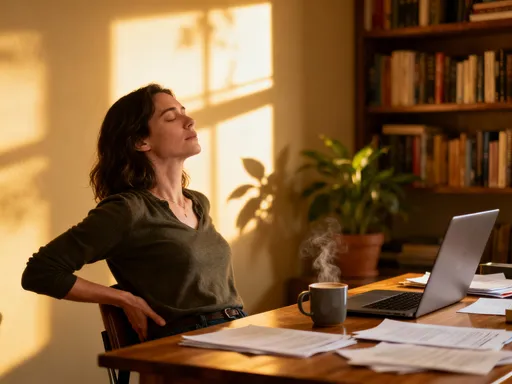
Many women in their 30s, 40s, and 50s find themselves caught in a cycle of sedentary living. Long hours at a desk, driving children to activities, or managing household responsibilities can leave little time for structured exercise. Over time, this inactivity accumulates, leading to symptoms like persistent fatigue, stiff joints, and frequent colds. These are not just signs of being “busy”—they can be early indicators that the body is under strain. The immune system, in particular, responds strongly to physical activity. Moderate movement stimulates the circulation of immune cells, helping the body detect and respond to threats more efficiently.
What’s encouraging is that formal exercise isn’t required to gain these benefits. The key is consistency. A daily 10-minute walk, stretching after sitting for an hour, or standing while folding laundry can all contribute to better health. The goal isn’t to achieve peak fitness overnight, but to create a lifestyle where movement is woven into the fabric of everyday life. When activity becomes habitual, the body adapts in ways that support long-term resilience. This shift—from occasional exertion to daily motion—can be one of the most effective steps toward staying ahead of illness.
Why Your Body Treats Exercise Like a Tune-Up
Think of your body as a finely tuned machine that performs best when maintained regularly. Exercise acts like a daily oil change—keeping systems running smoothly, preventing buildup, and ensuring all parts function as they should. Just as a car that sits unused develops rust and mechanical issues, a body that remains inactive begins to lose efficiency in critical areas. Movement helps regulate blood sugar, supports heart health, and keeps joints flexible. More importantly, it plays a crucial role in reducing chronic inflammation, a silent contributor to many long-term health problems.
At the cellular level, physical activity triggers a cascade of beneficial responses. Muscles in motion release signaling molecules that communicate with the immune system, liver, and brain. These signals help reduce inflammation, improve insulin sensitivity, and enhance the body’s ability to repair damaged tissues. Even light activity, such as walking or gentle stretching, increases blood flow, delivering oxygen and nutrients to organs while helping remove waste products. This process supports detoxification, boosts energy, and strengthens the body’s natural defenses.
One of the most powerful yet overlooked benefits of movement is its effect on circulation. When you sit for long periods, blood flow slows, particularly in the lower body. This stagnation can contribute to swelling, varicose veins, and an increased risk of blood clots. Regular movement—standing, walking, or shifting positions—keeps the circulatory system active and efficient. It also supports lymphatic flow, which is essential for immune function. Unlike the bloodstream, the lymphatic system doesn’t have a pump; it relies on muscle contractions to move fluid through the body and filter out pathogens.
The beauty of this biological response is that it doesn’t require high intensity. A slow walk around the neighborhood, a few minutes of seated leg lifts, or standing while talking on the phone can all activate these systems. The body doesn’t distinguish between “exercise” and “movement”—it simply responds to motion. By treating movement as a form of daily maintenance, you give your body the tools it needs to stay strong, responsive, and resilient over time.
My Go-To Techniques: Practical Moves That Fit Real Life
For years, I believed that to be truly healthy, I needed to spend hours at the gym. The reality was that I rarely followed through, and when I did, I often felt sore, discouraged, or too tired to keep going. What changed was shifting my focus from performance to consistency. I began building small, sustainable movements into my daily routine—ones that required no special equipment, no travel, and no major time commitment. These simple actions became the foundation of my health, and over time, I noticed real improvements: more energy, fewer colds, better sleep, and a greater sense of well-being.
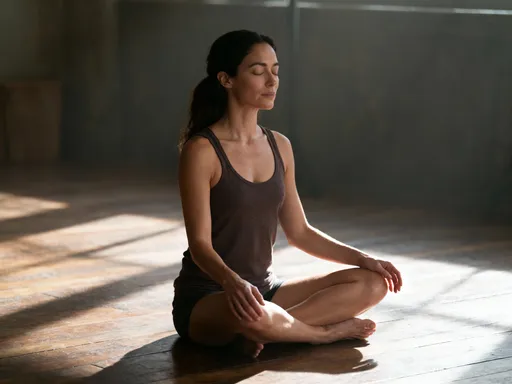
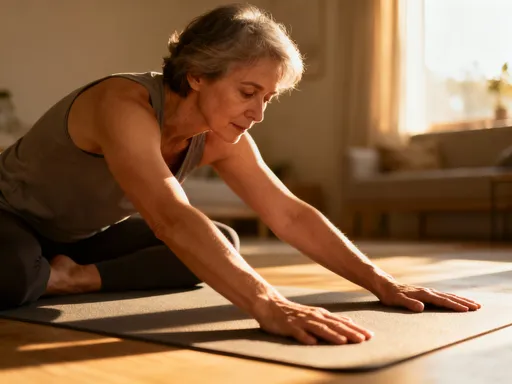
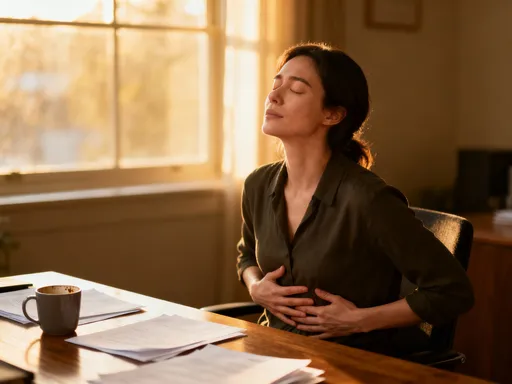
One of the most effective habits I adopted was a morning movement routine. Before checking my phone or starting chores, I spend five to ten minutes stretching. I begin with seated forward bends to loosen my back, then move into shoulder rolls and neck stretches to release tension. I finish with gentle twists and a few deep breaths. This brief sequence wakes up my muscles, improves circulation, and sets a calm tone for the day. It’s especially helpful during colder months when stiffness is more common, but I continue it year-round because it feels like a gift to myself.
Another cornerstone of my routine is daily walking. I aim for at least 20 to 30 minutes most days, but I don’t pressure myself to meet a strict target. Sometimes I walk around the block, other times I pace while on phone calls or stroll through a local park. I’ve found that pairing walking with something enjoyable—like listening to a podcast or calling a friend—makes it feel less like a chore. Walking not only strengthens my heart and lungs but also clears my mind. It’s become a time for reflection, problem-solving, and even moments of quiet joy.
In the evenings, I incorporate mobility drills to unwind. These include gentle yoga poses like cat-cow stretches, child’s pose, and seated spinal twists. I also do a few bodyweight exercises—wall push-ups, standing leg lifts, and seated marches—to maintain strength without strain. These movements help me release the physical tension built up during the day and prepare my body for restful sleep. The routine takes less than 15 minutes, and I can do it in my living room while the family watches TV. Over time, I’ve noticed improved balance, greater flexibility, and fewer aches—especially in my lower back and knees.
Building Habits That Last (Without Burnout)
One of the biggest obstacles to lasting change is the expectation of perfection. Many women start with enthusiasm, setting ambitious goals like exercising for an hour every day or following a strict fitness plan. When life gets busy—or motivation dips—they may feel like they’ve failed. This all-or-nothing mindset often leads to frustration and eventual burnout. The key to long-term success isn’t intensity or speed—it’s consistency, patience, and self-compassion. Small, repeatable actions are more powerful than occasional bursts of effort.
To build sustainable habits, I use a strategy called habit stacking. This means linking a new behavior to an existing routine. For example, I do a few shoulder rolls and neck stretches every time I brush my teeth. I take a short walk immediately after lunch, before sitting down to check emails. These pairings make it easier to remember and integrate movement without adding extra time to my day. Over time, these actions become automatic—less something I have to remember and more something I naturally do.
Another effective approach is setting micro-goals. Instead of aiming for 30 minutes of exercise, I start with five. If I feel up to more, I continue—but if not, I still celebrate the effort. This removes the pressure of performance and keeps the focus on progress. I also track my activity in a simple way, like marking a calendar with a checkmark for each day I move intentionally. Seeing a streak build up is motivating, but I don’t let a missed day derail me. I remind myself that health is a journey, not a race.
Recovery is just as important as activity. Pushing too hard can lead to soreness, fatigue, or even injury—especially as we age. I’ve learned to listen to my body and honor its signals. If I feel unusually tired or stiff, I opt for gentle stretching or a rest day instead of forcing a workout. This balance between movement and rest supports long-term resilience. It’s not about doing more—it’s about doing what’s right for your body, every day.
Movement for Long-Term Resilience, Not Quick Fixes
Many fitness messages focus on short-term results: weight loss, toned arms, or fitting into a certain dress size. While these goals can be motivating, they often overlook the deeper, more lasting benefits of physical activity. The true power of movement lies in its ability to protect your health over decades. Regular activity is one of the most effective ways to reduce the risk of chronic conditions like heart disease, type 2 diabetes, and certain cancers. It supports brain health, helps maintain strong bones, and improves balance—reducing the risk of falls as we age.
Public health guidelines emphasize the importance of consistent movement, recommending regular physical activity for adults of all ages. While specific numbers may vary, the core message is clear: staying active is essential for long-term well-being. The good news is that these benefits are accessible to everyone, regardless of fitness level. You don’t need to run marathons or lift heavy weights. Even moderate activities, when done consistently, contribute to a stronger, more resilient body.
What makes this approach so powerful is the compounding effect. Just as small financial contributions grow over time with interest, small daily movements build up to significant health gains. A five-minute walk today strengthens your heart just a little. A few stretches improve flexibility. Over weeks and months, these tiny efforts add up to better energy, improved mood, and stronger immunity. This isn’t about dramatic transformation—it’s about steady, sustainable progress that supports a vibrant, independent life.
For women managing busy households, careers, and family responsibilities, this long-term perspective is especially valuable. It shifts the focus from quick fixes to lasting care. Movement becomes less about appearance and more about capability—about being able to play with grandchildren, travel comfortably, or simply enjoy daily life without pain or fatigue. When you view physical activity as an investment in your future self, it becomes easier to prioritize, even on the busiest days.
When to Seek Professional Guidance
While movement is a powerful tool for health, it is not a substitute for medical care. If you have a chronic condition such as arthritis, heart disease, or diabetes, it’s important to consult a healthcare provider before beginning a new activity routine. A doctor or physical therapist can help you identify safe, effective ways to stay active based on your individual needs. They may recommend specific exercises, suggest modifications, or advise on intensity levels that support your health without causing strain.
It’s also important to recognize when pain or discomfort is a warning sign. Some muscle soreness after starting a new activity is normal, but sharp pain, swelling, or persistent discomfort should not be ignored. Pushing through pain can lead to injury and setbacks. Instead, listen to your body and adjust your routine as needed. If an activity causes pain, stop and consider alternative movements that are gentler on your joints and muscles.
Professional guidance can also help you navigate changes that come with aging. As we grow older, our bodies respond differently to movement. Balance, flexibility, and strength may decline, making certain activities more challenging. A physical therapist or certified fitness instructor can design a program that addresses these changes and helps you stay safe and strong. They can teach proper form, recommend assistive tools if needed, and provide encouragement and accountability.
Collaboration between personal habits and professional advice creates the best path forward. Your daily movements lay the foundation for health, but medical expertise ensures that your approach is safe and effective. By working with healthcare providers, you can build a routine that supports your unique needs and goals, allowing you to stay active and independent for years to come.
Making Prevention a Lifestyle, Not a Chore
The most sustainable way to stay healthy is to reframe movement as an act of self-care rather than a task to check off. It’s not about punishment or perfection—it’s about honoring your body and giving it what it needs to thrive. When you view physical activity as a daily promise to yourself, it becomes easier to make time for it, even on busy or stressful days. This mindset shift transforms movement from a burden into a gift—one that pays dividends in energy, mood, and long-term health.
Staying motivated doesn’t have to be complicated. Simple pleasures can make movement more enjoyable. I love walking with a friend, listening to music, or exploring a new trail. I keep a playlist of upbeat songs for indoor stretching and sometimes dance in the kitchen while waiting for dinner to cook. These small joys make it easier to stay consistent. I also find that being outdoors enhances the experience—fresh air, natural light, and the sights and sounds of nature all contribute to a sense of well-being.
Community can also play a role. Joining a walking group, attending a gentle fitness class, or simply sharing your goals with a family member can provide encouragement and accountability. Knowing that others are on a similar journey helps reduce feelings of isolation and makes the process more enjoyable. Even if you prefer to move independently, sharing your progress with someone you trust can reinforce your commitment.
In the end, disease prevention doesn’t happen in a single moment or a single workout. It happens in the small, daily choices—the decision to stand up and stretch, to take the stairs, to walk after dinner. These actions may seem insignificant on their own, but together, they form a powerful shield against illness. They are not about dramatic change, but about consistent care. By making movement a natural part of your life, you invest in a future where you feel strong, capable, and in control of your health. That’s a promise worth keeping.