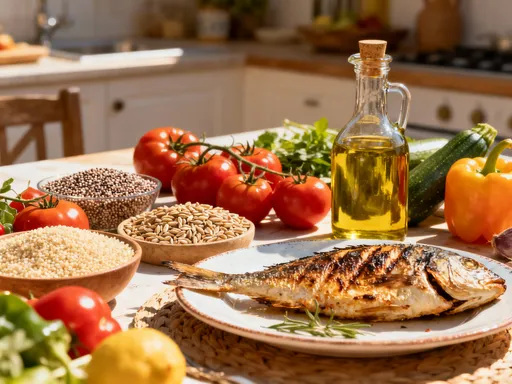
How I Healed My Body with Real Food—The Mediterranean Way
For years, I felt constantly drained, bloated, and off—no matter how hard I tried. Doctors gave me temporary fixes, but nothing truly helped my body recover. Then I discovered the Mediterranean diet, not as a trend, but as a lifestyle. It wasn’t about cutting calories or chasing quick results. It was real food, simple choices, and daily habits that slowly brought my energy back. This is how I rebuilt my health—one olive oil–drizzled meal at a time.
The Wake-Up Call: When My Body Forced Me to Change
For much of my adult life, I accepted fatigue as normal. Mornings began with a struggle to get out of bed, even after eight hours of sleep. By mid-afternoon, a fog settled over my mind, making it hard to focus on even simple tasks. My digestion was unpredictable—sometimes bloating so severely I avoided mirrors, other times dealing with discomfort after nearly every meal. Mood swings, irritability, and a general sense of being disconnected from myself became routine. I chalked it up to stress, aging, or just the price of being a busy woman managing family, work, and home.
Doctors offered explanations that felt incomplete. One suggested I was anemic and prescribed iron supplements. Another mentioned possible food sensitivities and recommended eliminating gluten. While these interventions provided brief relief, the underlying exhaustion and physical discomfort returned. I tried over-the-counter digestive aids, energy drinks, and even short-term detox plans. Each solution worked for a week or two, then faded, leaving me back where I started. I began to wonder if I would ever feel truly well again.
The turning point came during a routine physical exam. Blood work revealed early signs of metabolic imbalance—elevated blood sugar markers and borderline cholesterol levels. My doctor didn’t sound alarmed, but her words stayed with me: “You’re not sick yet, but you’re on a path that could lead there.” That moment shook me. I wasn’t just tired; I was on the edge of developing chronic health issues that could impact not only my quality of life but my ability to care for my family. I realized that medicine alone couldn’t restore what I’d lost. If I wanted to heal, I needed to look at the foundation of my health: what I was eating every day.
That realization sparked a shift. I began to see food not just as fuel, but as information for my body. Every bite was either supporting healing or contributing to inflammation and imbalance. I didn’t need another quick fix—I needed a sustainable, nourishing way of eating that could restore my energy, calm my digestion, and bring me back into alignment. What I found wasn’t a fad diet or a restrictive plan, but a time-tested approach rooted in real food and daily rhythm: the Mediterranean way of eating.
Discovering the Mediterranean Diet—More Than Just a Diet
My first real encounter with the Mediterranean diet came not from a celebrity endorsement or a viral social media post, but from a documentary about longevity in southern Italy. I watched elderly villagers tending olive groves, gathering fresh vegetables from their gardens, and sharing long, relaxed meals with family. They weren’t counting calories or weighing portions. They were simply eating the way their ancestors had for generations—whole, unprocessed foods, enjoyed with care and connection.
What struck me most was the absence of deprivation. Unlike the diets I’d tried—low-fat, low-carb, or juice cleanses—this wasn’t about punishment or restriction. It was about abundance. Plates were colorful, meals were flavorful, and people seemed to genuinely enjoy eating. I began to research further and discovered that the Mediterranean diet wasn’t just a cultural tradition—it was one of the most studied and recommended eating patterns in modern nutrition science. Organizations like the American Heart Association and the World Health Organization recognize it for its role in supporting heart health, cognitive function, and overall longevity.
The core principle was simple: eat real food. That meant meals centered around vegetables, fruits, legumes, whole grains, nuts, seeds, and healthy fats—especially extra virgin olive oil. Fish and poultry appeared regularly, but in moderate amounts. Red meat was rare. Dairy, like yogurt and cheese, was enjoyed in small portions. Sugar and processed foods were not banned, but they were not the focus. What made this approach different from other diets was its emphasis on sustainability. This wasn’t a 30-day challenge; it was a lifelong way of nourishing the body and honoring the pleasure of eating.
Equally important was the cultural context. Meals were not rushed. They were moments of pause, connection, and mindfulness. People ate slowly, savoring each bite. They cooked at home, used seasonal ingredients, and celebrated food as part of life, not a source of guilt. I realized that healing wasn’t just about what I put on my plate—it was about how I related to food. The Mediterranean diet offered not just a menu, but a mindset: one of balance, respect, and daily care.
The Science Behind the Shift: How This Diet Supports Recovery
As I adopted this way of eating, I began to understand the science behind its benefits. One of the most powerful aspects of the Mediterranean diet is its anti-inflammatory effect. Chronic, low-grade inflammation is now recognized as a root cause of many modern health issues, including fatigue, joint pain, digestive disorders, and even mood imbalances. The foods central to this diet—olive oil, leafy greens, berries, nuts, and fatty fish—are rich in compounds that help reduce inflammation in the body. For example, extra virgin olive oil contains oleocanthal, a natural substance with effects similar to ibuprofen, but without the side effects.
Fiber played a crucial role in my recovery as well. I had long underestimated the importance of gut health, but research shows that a diverse, fiber-rich diet feeds the beneficial bacteria in the gut microbiome. These microbes influence everything from immune function to mood regulation. By increasing my intake of vegetables, legumes, and whole grains, I noticed a significant improvement in digestion. Bloating decreased, bowel movements became regular, and I no longer felt sluggish after meals. The fiber also helped stabilize my blood sugar, preventing the energy crashes that used to leave me reaching for sugary snacks.
Another key element was the inclusion of omega-3 fatty acids, primarily from fatty fish like salmon, sardines, and mackerel. These essential fats are vital for brain health, cellular repair, and reducing inflammation. Studies have linked higher omega-3 intake to improved cognitive function, better mood, and lower risk of heart disease. I started eating fish at least twice a week, and over time, I noticed a subtle but meaningful shift in my mental clarity. The brain fog that once clouded my afternoons began to lift.
It’s important to note that the benefits of the Mediterranean diet are not based on anecdote or marketing. Decades of research, including large population studies like the PREDIMED trial, have consistently shown that people who follow this eating pattern have lower rates of heart disease, type 2 diabetes, and cognitive decline. These findings are not exaggerated claims, but well-documented outcomes. What made the difference for me was not a miracle food or a secret ingredient, but the cumulative effect of daily choices that supported my body’s natural ability to heal.
My First Steps: Simple Swaps That Made a Difference
Transitioning to the Mediterranean way didn’t require a complete kitchen overhaul or a list of exotic ingredients. I started with small, manageable changes that fit into my existing routine. The first and most impactful swap was replacing refined vegetable oils with extra virgin olive oil. I used it for sautéing vegetables, drizzling over salads, and even baking. The rich, fruity flavor made meals more satisfying, and I soon realized I needed less salt and seasoning because the oil enhanced the natural taste of the food.
Another change was in my snacking habits. I used to reach for packaged crackers, granola bars, or cookies in the afternoon—foods that gave a quick energy boost followed by a crash. I replaced these with a handful of raw almonds and a piece of seasonal fruit, like an apple or a few figs. Not only did this combination keep me full longer, but it also provided healthy fats, fiber, and natural sugars without the additives and preservatives found in processed snacks. I began to look forward to these moments of nourishment rather than seeing them as guilty pleasures.
I also made a conscious effort to include legumes and whole grains in my meals. Instead of white pasta or rice, I switched to whole grain varieties or alternatives like farro and bulgur. I started adding lentils and chickpeas to soups, stews, and salads. These foods were not only more filling but also helped regulate my digestion and energy levels. I noticed that I no longer felt the post-lunch slump that used to make me dread the afternoon.
These small changes didn’t feel restrictive—they felt like upgrades. I wasn’t giving up anything; I was gaining more flavor, more energy, and more stability. Within a few weeks, my digestion improved, my skin looked clearer, and I had more stamina for daily activities. The most surprising change was in my mood. I felt calmer, more present, and less reactive to stress. I realized that food wasn’t just affecting my body—it was shaping my entire experience of life.
Building a Recovery-Friendly Plate: What I Eat Every Day
My daily meals now follow a simple, balanced structure inspired by Mediterranean traditions. Breakfast is usually a bowl of plain Greek yogurt topped with a drizzle of honey, a sprinkle of walnuts, and fresh berries. This combination provides protein, healthy fats, and antioxidants to start the day on a steady note. I avoid sugary cereals and pastries, which used to leave me hungry by mid-morning.
Lunch is often a large salad with lentils, cucumbers, tomatoes, red onion, and fresh herbs like parsley and mint. I dress it generously with olive oil and a splash of lemon juice. Sometimes I add a piece of grilled chicken or a boiled egg for extra protein. The variety of colors on my plate isn’t just pleasing to the eye—it reflects a diversity of nutrients. Each vegetable contributes different vitamins, minerals, and phytonutrients that support overall health.
Dinner tends to be warm and comforting. A typical meal might be grilled salmon with a side of roasted vegetables—zucchini, bell peppers, eggplant, and cherry tomatoes—tossed in olive oil and herbs. I might serve it with a small portion of quinoa or brown rice. I’ve learned to cook with rosemary, oregano, garlic, and turmeric instead of relying on salt and sugar for flavor. These spices not only enhance taste but also have their own health-promoting properties.
Hydration is another cornerstone of my routine. I drink water throughout the day and often enjoy herbal teas like chamomile or peppermint in the evening. I’ve completely eliminated sugary sodas and fruit drinks, which I now realize contributed to my earlier energy swings. Staying hydrated has improved my digestion, skin, and mental focus. The overall effect is a diet that feels abundant, satisfying, and deeply nourishing—not like a regimen, but like a return to the way food was meant to be.
Beyond Food: Lifestyle Habits That Complete the Picture
As my eating habits changed, I noticed that other aspects of my lifestyle naturally began to shift as well. I started moving more—not through intense workouts, but through daily walks. I walk in the morning when possible, or after dinner with my family. These walks are not about burning calories; they’re about clearing my mind, enjoying fresh air, and staying connected to my body. Movement, even in small doses, supports circulation, digestion, and mood regulation.
Eating slowly became a practice I cherish. I used to eat quickly, often while multitasking—answering emails, watching TV, or helping children with homework. Now, I make an effort to sit at the table, chew thoroughly, and savor each bite. This mindful approach has improved my digestion and reduced overeating. Even when I eat alone, I treat the meal as a moment of self-care rather than a chore to rush through.
Sleep quality improved as well. I didn’t set out to change my sleep habits, but as my energy stabilized and my digestion improved, I found myself falling asleep more easily and waking up feeling more refreshed. I no longer rely on caffeine to get through the day, which helps me maintain a natural sleep-wake cycle. I also avoid heavy meals late at night, opting instead for a light snack like a banana or a small bowl of yogurt if I’m hungry.
All of these habits—eating mindfully, moving gently, sleeping well—work together to create a rhythm of recovery. The Mediterranean diet isn’t just about food; it’s about a way of living that honors the body’s need for balance, rest, and connection. It’s not about perfection, but about consistency and care.
Staying Consistent Without Perfection: Real Talk About Relapses and Balance
Of course, there have been setbacks. Holidays, travel, and stressful periods have led to moments when I’ve returned to old habits—eating convenience foods, skipping meals, or indulging in sweets. I’ve learned not to view these moments as failures, but as part of the journey. The key has been to return to my routine without guilt or self-criticism. I’ve found that cooking at home, even a simple meal like a vegetable soup or a grain bowl, helps me reset quickly.
Meal prepping has also been a practical tool. On weekends, I roast a tray of vegetables, cook a pot of lentils, and prepare a few jars of salad. Having these ready-to-eat components makes it easier to stick to healthy choices during busy weekdays. I don’t aim for flawless adherence—some days I eat out or order takeout. But I try to make choices that align with the principles: grilled over fried, vegetables over refined carbs, water over soda.
The mindset shift has been the most powerful change. I no longer see food as the enemy or my body as something to be fixed. Instead, I listen to my body’s signals—hunger, fullness, energy levels—and respond with kindness. I’ve learned that progress is not linear, and healing takes time. The Mediterranean way isn’t a rigid rulebook; it’s a flexible framework that can be adapted to individual lives, cultures, and preferences.
Conclusion: A Lifelong Commitment to Feeling Whole Again
Looking back, my journey from exhaustion to steady energy and mental clarity has been one of the most meaningful transformations of my life. It wasn’t achieved through a miracle cure or a drastic intervention, but through daily choices—small, consistent acts of care that added up over time. The Mediterranean diet became more than an eating plan; it became a path to reclaiming my health and my joy in living.
What I’ve learned is that body recovery isn’t instant. It’s built meal by meal, day by day, through the simple act of choosing real food. The flavors are rich, the meals are satisfying, and the benefits extend far beyond physical health. I feel more present, more capable, and more connected to myself and my family. This way of eating is not about restriction or sacrifice—it’s about abundance, pleasure, and long-term well-being.
Still, it’s important to emphasize that this is my personal experience. Every body is different, and what worked for me may need to be adjusted for others. Always consult with a healthcare provider before making significant changes to your diet, especially if you have existing health conditions or are taking medication. Nutrition is powerful, but it’s one part of a holistic approach to health that includes medical care, mental well-being, and lifestyle balance. The Mediterranean diet, in its simplicity and science-backed foundation, offers a natural, enjoyable path to feeling whole again—one real, nourishing bite at a time.