What I Learned the Hard Way About Anti-Aging — Real Talk on the Pitfalls No One Warns You About
We all want to age gracefully, but chasing quick fixes can backfire. I’ve tried trendy routines, expensive creams, and extreme diets—all promising younger skin and more energy. Instead, I faced breakouts, exhaustion, and frustration. This journey taught me that real anti-aging isn’t about magic solutions. It’s about awareness, balance, and avoiding the traps that derail true progress. Let’s talk about what actually matters. True well-being isn’t found in a jar or a viral TikTok trend. It’s built through consistent, science-backed choices that honor the body’s natural processes. This is not about turning back time, but about moving forward with strength, clarity, and self-respect.
The Allure of Quick Fixes – Why We Fall for Anti-Aging Hype
It’s natural to want to look and feel our best as the years pass. Yet, the desire to slow visible signs of aging often leads us toward solutions that promise instant transformation. Advertisements showcase ageless faces, glowing complexions, and boundless energy—all achieved, we’re told, with a single serum, supplement, or treatment. These images are powerful, especially when they appear in our social media feeds, curated to look effortless and attainable. The emotional pull is strong: a fear of being overlooked, of losing vitality, or of not measuring up to cultural ideals of youth and beauty.
This emotional vulnerability is precisely what marketing strategies are designed to exploit. Companies use carefully crafted language—words like 'revolutionary,' 'clinically proven,' or 'dermatologist-recommended'—to build trust and urgency. Limited-time offers and celebrity endorsements amplify the pressure to act quickly. Many women in their 30s to 50s, already managing busy households, careers, or caregiving responsibilities, may feel they don’t have time for gradual change. They seek fast results, hoping a new product will deliver what lifestyle adjustments have not. The promise of transformation without sacrifice is deeply appealing.
Yet, the reality rarely matches the marketing. A product may contain a popular ingredient like retinol or hyaluronic acid, but its concentration, formulation, and compatibility with individual skin types vary widely. What works for one person may irritate another. Moreover, no topical cream can reverse years of sun exposure or undo the effects of chronic stress. The gap between expectation and outcome often leads to disappointment, wasted money, and a cycle of trying the next big thing. The deeper issue isn’t the product itself, but the mindset that aging can be erased rather than managed with wisdom and care.
The emotional cost of chasing these quick fixes is often overlooked. Each failed attempt can chip away at self-confidence, reinforcing the idea that one’s natural aging process is a problem to be fixed. This mindset shifts focus from health to appearance, from long-term well-being to short-term fixes. It’s important to recognize that aging is not a flaw. It’s a universal experience, shaped by genetics, environment, and lifestyle. By understanding the psychological drivers behind anti-aging trends, we can make more intentional choices—ones rooted in self-awareness rather than fear.
Pitfall #1: Overloading on Skincare – When More Becomes Less
In recent years, skincare has evolved from a simple morning and evening routine into a complex ritual involving multiple steps, specialized products, and active ingredients. The idea of a 10-step Korean skincare routine, once niche, has become mainstream, with many women layering cleansers, toners, essences, serums, moisturizers, and face oils—sometimes twice a day. While the intention is noble, the outcome isn’t always beneficial. In fact, overloading the skin with too many products, especially those containing potent actives like acids, retinoids, or vitamin C, can do more harm than good.
The skin has a natural protective barrier, known as the stratum corneum, which functions like a shield. It retains moisture, keeps irritants out, and maintains a balanced pH. When this barrier is compromised—through over-exfoliation, excessive use of actives, or incompatible product combinations—the skin becomes vulnerable. Common signs of barrier damage include redness, dryness, flaking, stinging, and increased sensitivity. Some women report that their skin, once resilient, begins to react to products it previously tolerated. In severe cases, this can lead to conditions like contact dermatitis or rosacea flare-ups.
The irony is that many of these products are marketed to improve skin health and reduce signs of aging. For example, alpha-hydroxy acids (AHAs) and beta-hydroxy acids (BHAs) are widely used for their exfoliating properties, helping to remove dead skin cells and reveal a brighter complexion. However, when used too frequently or in high concentrations, they can strip the skin of its natural oils and disrupt its microbiome. Similarly, retinoids, while effective for stimulating collagen production, can cause irritation, peeling, and increased sun sensitivity if not introduced gradually and used with proper hydration.
Science supports a more balanced approach. The skin renews itself approximately every 28 days, a process that slows with age. Rather than accelerating cell turnover unnaturally, the goal should be to support this cycle gently. Dermatologists often recommend a simplified routine: a gentle cleanser, a moisturizer with ceramides or hyaluronic acid, and daily sunscreen. Introducing one active ingredient at a time—such as a low-concentration retinol a few nights a week—allows the skin to adapt without overwhelming it. This method is not only safer but also more sustainable in the long term.
Less can truly be more when it comes to skincare. A minimalist routine reduces the risk of irritation, lowers the financial burden, and makes consistency easier. Instead of chasing the next trending product, women can focus on what truly matters: protecting the skin barrier, staying hydrated, and preventing sun damage. These foundational habits, though less glamorous, are far more effective in maintaining healthy, resilient skin over time.
Pitfall #2: Obsessing Over Toxins – The Fear-Based Wellness Trap
The term 'toxins' has become a buzzword in wellness circles, often used to describe an invisible threat lurking in food, water, cosmetics, and household products. This fear has given rise to a booming market for 'clean' living—organic foods, chemical-free beauty products, air purifiers, and detox programs. While the intention to reduce exposure to harmful substances is valid, the way this message is often communicated can create unnecessary anxiety. Many women find themselves scrutinizing ingredient labels, avoiding certain products, or eliminating entire food groups, all in the name of 'detoxing.'
What’s often missing from this conversation is an understanding of how the body naturally handles toxins. The human body is equipped with highly efficient systems for filtering and eliminating waste. The liver processes chemicals and converts them into forms that can be excreted. The kidneys filter blood and remove byproducts through urine. The lungs expel volatile compounds, and the skin eliminates some substances through sweat. These organs work continuously, without needing special cleanses or extreme diets to function properly. In healthy individuals, these systems are remarkably effective at maintaining balance.
The problem arises when fear overrides science. Some detox programs promote juice fasts, colon cleanses, or restrictive eating plans that lack nutritional balance. These regimens can lead to fatigue, nutrient deficiencies, and metabolic slowdown. There is no credible scientific evidence that short-term cleanses remove toxins more effectively than the body’s natural processes. In fact, extreme fasting can stress the body, disrupt hormone levels, and weaken the immune system—counterproductive outcomes for anyone seeking long-term health.
Additionally, the idea that all synthetic chemicals are dangerous is a misconception. Toxicity depends on dose and exposure. Many naturally occurring substances—such as arsenic in rice or solanine in potatoes—are toxic in high amounts, while many synthetic compounds are safe at typical exposure levels. Regulatory agencies like the U.S. Food and Drug Administration (FDA) and the European Chemicals Agency (ECHA) evaluate the safety of ingredients in food and cosmetics before they reach the market. While it’s wise to minimize unnecessary exposure—such as reducing plastic use or choosing fragrance-free products—living in constant fear of chemicals can take a toll on mental well-being.
A more balanced approach involves making informed choices without succumbing to fear. Reading labels is useful, but it should be done with context. Prioritizing whole, minimally processed foods, drinking plenty of water, and using trusted skincare products are practical steps. Rather than focusing on eliminating every perceived toxin, the goal should be to support the body’s natural detoxification systems through healthy habits. This includes eating a diet rich in fiber and antioxidants, staying hydrated, exercising regularly, and getting enough sleep—all of which enhance liver and kidney function. Wellness should empower, not intimidate.
Pitfall #3: Ignoring Lifestyle – The Real Foundation of Aging Well
While much of the anti-aging conversation centers on external products, the most powerful influences on how we age are often invisible: sleep, hydration, stress levels, and physical activity. These lifestyle factors operate at the cellular level, affecting everything from skin elasticity to cognitive function. Yet, they are frequently overlooked in favor of creams, supplements, or procedures that promise visible results. The truth is, no amount of topical treatment can compensate for chronic sleep deprivation, poor nutrition, or unmanaged stress.
Sleep, for example, is a cornerstone of healthy aging. During deep sleep, the body repairs tissues, balances hormones, and clears metabolic waste from the brain. Growth hormone, which supports muscle mass and skin thickness, is primarily released at night. When sleep is disrupted or insufficient, these processes are impaired. Women who regularly get less than seven hours of quality sleep may notice puffiness under the eyes, dull skin, and slower recovery from illness. Long-term, poor sleep is linked to increased inflammation, a key driver of aging and chronic disease.
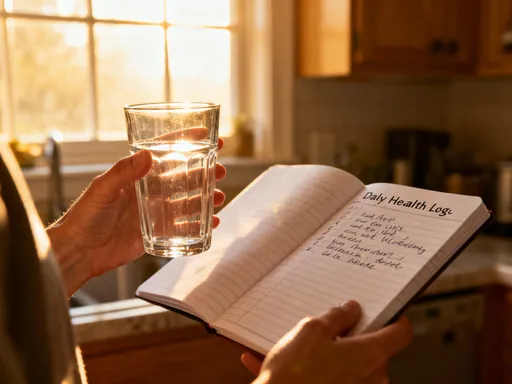
Hydration is another essential but often underestimated factor. Water makes up about 60% of the human body and is involved in nearly every physiological function. Dehydration can lead to dry skin, fatigue, and reduced cognitive performance. While drinking water won’t erase wrinkles, it supports the skin’s plumpness and resilience. Electrolytes, found in foods like bananas, spinach, and coconut water, help maintain fluid balance and cellular function. Rather than relying on expensive hydrating serums, simply drinking enough water throughout the day can make a noticeable difference.
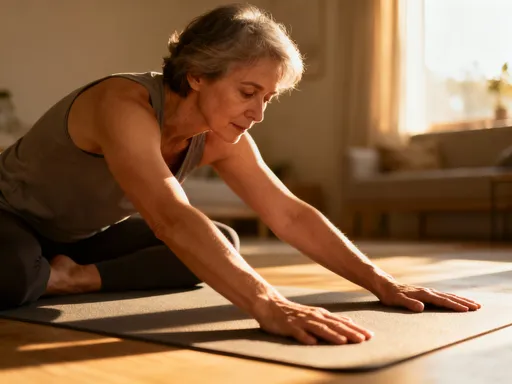
Chronic stress is perhaps the most insidious factor in premature aging. When the body is under constant stress, it produces elevated levels of cortisol, a hormone that, in excess, can break down collagen, increase blood sugar, and weaken the immune system. Over time, this contributes to fine lines, weight gain around the abdomen, and slower wound healing. Stress also affects behavior—leading to poor sleep, emotional eating, and reduced motivation for self-care. Mindfulness practices, such as deep breathing, meditation, or gentle yoga, can help regulate the nervous system and reduce cortisol levels.
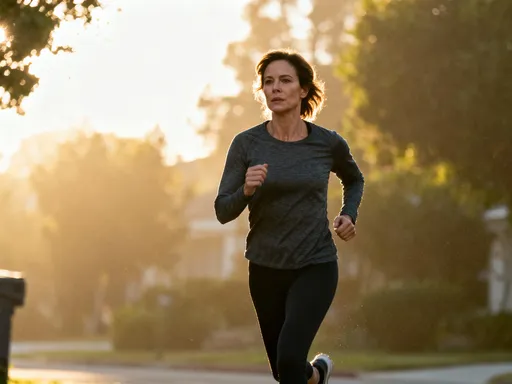
Physical movement, even in moderate amounts, plays a crucial role. Regular walking, strength training, or stretching improves circulation, supports joint health, and maintains muscle mass, which naturally declines with age. Exercise also boosts endorphins, improves mood, and enhances sleep quality. These benefits compound over time, creating a foundation of resilience that no product can replicate. Lifestyle habits may not offer instant gratification, but their cumulative effect is profound. They are the quiet, consistent forces that shape how we feel and age.
Pitfall #4: Chasing Youth at the Cost of Health – When Anti-Aging Goes Too Far
For some, the desire to look younger can escalate into behaviors that compromise long-term health. This includes the use of unregulated supplements, excessive cosmetic procedures, or extreme dieting. The supplement industry, largely unregulated in many countries, is filled with products claiming to boost collagen, reverse gray hair, or increase 'youth hormones.' Some contain ingredients with unknown long-term effects or interactions with prescription medications. Without medical supervision, taking high doses of certain vitamins or hormones can lead to liver damage, hormonal imbalances, or other serious conditions.
Cosmetic procedures, while safer and more accessible than ever, are not without risk. Repeated Botox injections, fillers, or laser treatments may achieve temporary results, but overuse can lead to unnatural facial expressions, tissue atrophy, or allergic reactions. Some women report feeling pressure to maintain a certain look, leading to a cycle of continuous treatments. The financial cost can also be significant, with procedures adding up to thousands of dollars annually. While these choices are personal, it’s important to weigh the benefits against the potential consequences.
Disordered eating patterns are another concern. The pursuit of a youthful appearance can morph into an obsession with weight, leading to restrictive diets, obsessive calorie counting, or excessive exercise. These behaviors not only deprive the body of essential nutrients but also increase the risk of osteoporosis, hormonal disruptions, and mental health challenges. The body needs adequate fat, protein, and calories to maintain skin elasticity, energy levels, and organ function. Starving it for the sake of appearance undermines the very health that supports graceful aging.
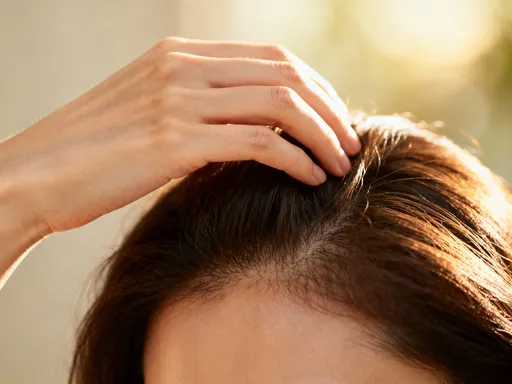
At the heart of this pitfall is a fundamental misunderstanding: that aging is something to be resisted at all costs. This mindset can erode self-acceptance and create a sense of failure when changes occur. The reality is that aging is a natural, inevitable process. Wrinkles, graying hair, and changes in body composition are not signs of decline, but markers of a life lived. The goal should not be to look 25 at 50, but to feel strong, vibrant, and healthy at every stage. True self-care includes honoring the body’s needs, listening to its signals, and making choices that support long-term well-being over fleeting appearances.
What Actually Works – Simple, Science-Supported Strategies
If anti-aging is about supporting the body’s natural ability to thrive, then the most effective strategies are those grounded in science and sustainability. These are not flashy or trendy, but they deliver real, lasting benefits. The first and most critical is sun protection. Ultraviolet (UV) radiation from the sun is the leading cause of premature skin aging, responsible for up to 90% of visible changes like wrinkles, dark spots, and loss of firmness. Wearing broad-spectrum sunscreen with SPF 30 or higher every day, even on cloudy days, significantly reduces UV damage. Seeking shade and wearing hats or sunglasses provide additional protection.
Nutrition plays a central role. A balanced diet rich in whole grains, lean proteins, healthy fats, and colorful fruits and vegetables provides the building blocks for healthy cells. Antioxidants like vitamins C and E, found in berries, nuts, and leafy greens, help neutralize free radicals—unstable molecules that damage DNA and accelerate aging. Omega-3 fatty acids, present in fatty fish, flaxseeds, and walnuts, support skin hydration and reduce inflammation. Rather than following restrictive diets, the focus should be on variety, moderation, and enjoyment.
Consistent sleep is non-negotiable. Aim for seven to nine hours per night, and establish a calming bedtime routine—such as reading, dimming lights, or avoiding screens—to improve sleep quality. Good sleep supports hormone balance, cognitive function, and emotional resilience. Mindfulness practices, including meditation, journaling, or spending time in nature, help manage stress and foster emotional well-being. These habits don’t require special tools or apps; they simply require intention and consistency.
Physical activity should be enjoyable and sustainable. Walking 30 minutes a day, gardening, dancing, or swimming all count as movement that benefits the heart, muscles, and brain. Strength training two to three times a week helps preserve muscle mass and bone density, reducing the risk of falls and fractures. These habits, when practiced regularly, create a foundation of health that radiates from within. They are not about perfection, but about showing up for yourself, day after day.
Rethinking Anti-Aging – From Fear to Empowerment
The journey toward graceful aging is not about erasing the past, but about honoring the present and preparing for the future. It’s time to shift the narrative from fear to empowerment—from hiding signs of age to celebrating the wisdom and strength that come with it. This doesn’t mean ignoring health; quite the opposite. It means approaching well-being with curiosity, compassion, and informed choices. Regular health check-ups, listening to your body, and seeking professional advice when needed are acts of self-respect.
Small, consistent actions have a compounding effect. Drinking water, stepping outside for fresh air, choosing a nourishing meal, or pausing to breathe deeply—these moments of care add up. They build resilience, improve quality of life, and support the body’s natural ability to heal and renew. Aging is not a battle to be won, but a process to be lived with intention. When we focus on health rather than appearance, we reclaim control from marketing messages and societal pressures.
True beauty lies in vitality, in the glow of someone who feels well from the inside out. It’s in the confidence of a woman who knows her worth isn’t tied to her reflection. By letting go of unrealistic expectations and embracing a holistic, balanced approach, we can age not with fear, but with grace, strength, and dignity. The best anti-aging strategy isn’t found in a bottle—it’s lived every day, in the choices we make and the way we treat ourselves.