What I Learned About Healing My Hair as a Total Beginner
Ever looked in the mirror and felt like your hair had a mind of its own? I’ve been there—dry, breaking, and confused by endless products. After years of damage from heat and bad habits, I started a simple hair rehab journey. It wasn’t about miracles, but small, consistent changes. This is what actually worked for me, explained in a way that makes sense—even if you’re just starting out.
The Wake-Up Call: When Hair Stops Bouncing Back
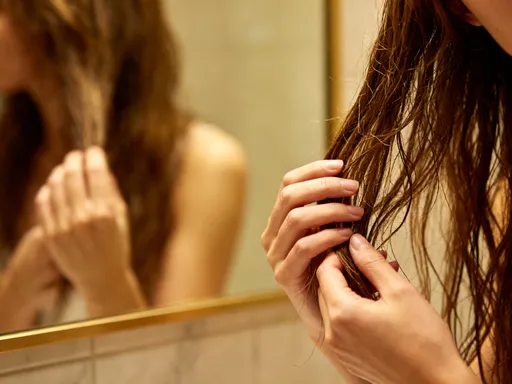
It started subtly—split ends that never seemed to go away, strands that snapped when brushed, and a dullness that no shine spray could fix. For years, I treated my hair like an accessory, not a living part of my body. Weekly flat ironing, frequent coloring, and sleeping with wet hair became routine. I didn’t notice the slow decline until one morning, when I pulled my hair into a ponytail and realized half of it had slipped through my fingers—broken, frayed, lifeless.
That was the wake-up call. My hair was no longer resilient. It lacked elasticity, felt rough to the touch, and shed more than before. What I once took for granted—thick, bouncy waves—was now brittle and uneven. I avoided updos, stopped parting my hair down the middle, and reached for hats more often than not. The emotional toll was real. Hair, for many women, is tied to identity. When it changes for the worse, confidence can erode quietly but deeply.
At first, I blamed my shampoo. Then my water quality. But the truth was harder to accept: the damage came from years of neglect and overprocessing. Hair is made of keratin, a protein structure that can be weakened by heat, chemicals, and mechanical stress. Unlike skin, it can’t regenerate. Once damaged, repair isn’t instant—it’s a process of damage control and rebuilding from the roots up. Recognizing this shifted my mindset from quick fixes to long-term healing.
Understanding hair as a biological structure, not just a style element, was the first step. Each strand grows from a follicle in the scalp, fed by blood vessels and influenced by hormones, nutrition, and overall health. While the visible part of hair is technically dead, the way we treat it affects how long it lasts and how healthy it appears. This realization made me stop seeing hair care as vanity and start seeing it as self-care.
Hair Rehab 101: What It Really Means
Hair rehabilitation isn’t about trendy treatments or viral TikTok routines. It’s a deliberate, science-informed approach to restoring strength, moisture balance, and resilience. Think of it like physical therapy for your hair—targeted, consistent, and focused on function over flash. True rehab goes beyond surface-level smoothing or temporary shine. It’s about improving the structural integrity of each strand so it can withstand daily wear without breaking.
Many people confuse cosmetic improvements with actual healing. A silicone-based serum might make hair look sleek for a few hours, but it doesn’t repair split ends or strengthen weak points. These products create a temporary illusion of health while masking deeper issues. Real healing happens beneath the surface, through consistent hydration, reduced stress on the hair shaft, and support from within via nutrition and scalp health.
One of the most important lessons I learned was patience. Hair grows at an average rate of about half an inch per month. Even if you start healing today, visible results take time. The hair you see now was influenced by your habits months ago. So, expecting overnight transformation sets you up for disappointment. Progress is measured in reduced shedding, less breakage during brushing, and improved texture—not sudden length gains.
Beginners often make the mistake of doing too much too soon. I once applied a deep conditioning mask every other day, thinking more was better. Instead, my hair became limp and greasy—over-moisturized and weighed down. Hair needs balance. Too much moisture without protein leads to mushy, weak strands. Too much protein without hydration leads to brittleness. Finding that balance is key, and it requires observation, not guessing.
Step One: Strip the Routine, Start Fresh
My first real step toward healing was simplifying. I cleared my bathroom counter of every product and started with just two: a sulfate-free shampoo and a lightweight conditioner. Sulfates, commonly found in traditional shampoos, are harsh detergents that strip natural oils. While they create a satisfying lather, they can disrupt the scalp’s pH and leave hair dry and porous. Switching to a gentle, pH-balanced cleanser helped restore my scalp’s natural balance and reduced irritation.
I also experimented with co-washing—cleansing with conditioner only—for a few weeks. This method is especially helpful for curly or dry hair types that lose moisture quickly. Without stripping the scalp, natural oils remain to protect the hair shaft. However, I found that doing this too often led to buildup, so I limited it to once a week and followed with a clarifying wash every few weeks to keep the scalp clean.
Reducing wash frequency was another game-changer. I used to wash my hair every day, believing it was dirty if it wasn’t squeaky clean. But overwashing removes sebum, the scalp’s natural lubricant, forcing it to produce more oil—creating a cycle of dryness and greasiness. By washing only twice a week, I allowed my scalp to regulate itself. My hair stayed fresher longer, and the ends were less parched.
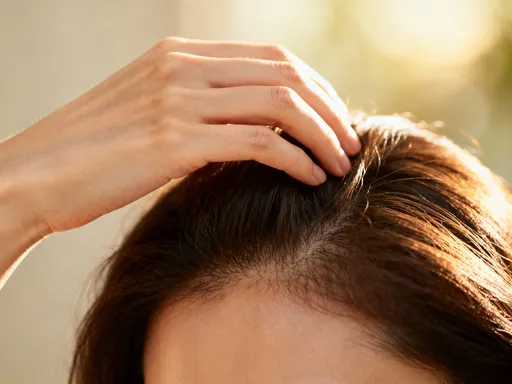
Scalp care became a non-negotiable part of my routine. A healthy scalp is the foundation of healthy hair. I started massaging my scalp during washes to stimulate blood flow, which supports follicle health. I also avoided heavy oils and styling products that clogged pores. Dandruff, itching, or flakiness aren’t just cosmetic issues—they can signal inflammation or imbalance, which hinder growth. Keeping the scalp clean, exfoliated, and hydrated made a noticeable difference in how my hair grew and felt.
Moisture vs. Protein: Finding Your Hair’s Balance
One of the most confusing parts of hair care is understanding the balance between moisture and protein. Both are essential, but too much of either causes problems. Moisture keeps hair soft, elastic, and resistant to breakage. Protein strengthens the hair shaft, giving it structure. When one outweighs the other, hair suffers.
Signs of moisture deficiency include frizz, tangles, and a rough texture. The hair feels dry and looks dull, even after conditioning. On the other hand, protein overload makes hair feel stiff, straw-like, and prone to snapping. I experienced this after using a keratin treatment followed by multiple protein-rich masks. My hair lost its flexibility and broke off at the shoulders.
The key is knowing your hair’s porosity—its ability to absorb and retain moisture. Low porosity hair has a tight cuticle layer and repels water, so it benefits from lightweight, liquid-based products. High porosity hair has gaps in the cuticle, absorbing moisture quickly but losing it just as fast. It thrives on richer creams and sealants like shea butter or natural oils.
To assess my hair’s needs, I did a simple float test: I dropped a strand of clean, dry hair into a glass of water. If it sank quickly, it indicated high porosity and a need for more moisture. If it floated, it suggested low porosity and a need for lighter products. While not 100% scientific, this test gave me a starting point. I also paid attention to how my hair responded after treatments. If it felt softer and stronger after a deep conditioner, it needed moisture. If it felt brittle after a protein mask, I backed off.
I settled into a rotating routine: one week focused on deep conditioning with ingredients like aloe vera and glycerin, the next with a light protein treatment using hydrolyzed wheat protein. This balance helped rebuild my hair’s strength without compromising flexibility.
Protective Habits That Actually Work
Even with the best products, daily habits can undo progress. I realized that how I treated my hair outside the shower mattered just as much as what I put on it. One of the most effective changes was switching to a silk pillowcase. Cotton absorbs moisture and creates friction, leading to tangles and breakage overnight. Silk reduces friction, helping hair glide smoothly and retain hydration.
At night, I started sleeping with my hair in a loose braid or pineapple (a high, loose ponytail on top of my head) and covered with a satin bonnet. This minimized tangling and protected the ends—the oldest, most fragile part of the hair. I also stopped using tight elastics with metal clasps, which snagged and pulled. Instead, I used soft scrunchies or silk-covered bands that held hair without stress.
Heat styling was a major culprit in my damage. I didn’t give it up completely, but I made it conditional: no heat without a heat protectant. These sprays or serums create a barrier between the hair and the tool, reducing moisture loss and cuticle damage. I also lowered my flat iron temperature to 300°F and used it less frequently—only for special occasions, not daily.
Regular trims, every 8 to 12 weeks, became part of my maintenance. Trimming doesn’t make hair grow faster, but it removes split ends before they travel up the shaft and cause more breakage. It’s like pruning a plant—cutting dead parts encourages healthier growth. I also paid attention to how I brushed my hair. Starting from the ends and working upward, using a wide-tooth comb, prevented unnecessary pulling.
Accessories mattered too. Hats, headbands, and clips that were too tight caused tension along the hairline, leading to breakage over time. I chose wider bands and looser fits, especially for daily wear. These small adjustments, while seemingly minor, added up to significant protection.
Lifestyle Links: What You Eat and How You Live
Hair health doesn’t begin in the bathroom—it starts in the kitchen. About 90% of hair is made of keratin, a protein that requires amino acids to build. Without adequate dietary protein, hair can become thin, weak, and slow-growing. I started paying attention to my meals, making sure I included quality protein sources like eggs, Greek yogurt, lentils, and lean meats at least twice a day.
Certain nutrients play specific roles in hair strength. Biotin supports keratin production and is found in eggs, nuts, and sweet potatoes. Iron carries oxygen to hair follicles, and deficiency is linked to hair loss, especially in women. I had my levels checked during a routine blood test and found mine were low. With my doctor’s guidance, I adjusted my diet to include more spinach, beans, and fortified grains, and noticed a difference in shedding within a few months.
Zinc is another essential mineral that helps with tissue repair and regulates oil glands around follicles. A deficiency can lead to dryness and dandruff. I didn’t supplement unless advised, but I made sure to eat pumpkin seeds, chickpeas, and whole grains regularly. Vitamin D, often called the “sunshine vitamin,” also supports hair cycling and follicle health. With limited sun exposure during winter, I focused on fortified foods and discussed supplementation with my healthcare provider.
Hydration is often overlooked. Water makes up a significant part of each hair strand. When dehydrated, hair loses elasticity and becomes more prone to breakage. I made it a habit to drink at least eight glasses of water daily, especially in dry or heated environments. I also noticed that my scalp felt less itchy and flaky when I stayed well-hydrated.
Stress was a silent factor. During a particularly busy season at work, I noticed more hair in my brush and shower drain. Cortisol, the stress hormone, can push hair follicles into a resting phase, leading to temporary shedding known as telogen effluvium. While this usually resolves on its own, chronic stress can prolong it. I started prioritizing sleep, aiming for seven to eight hours nightly, and incorporated calming practices like walking, journaling, and deep breathing. Better sleep supports cellular repair, including hair follicles, and helps regulate hormones that influence growth.
Tracking Progress and Staying Realistic
Healing hair is not linear. There were weeks when my hair felt stronger and shinier, followed by plateaus where nothing seemed to change. To stay motivated, I started tracking progress beyond the mirror. I took weekly photos under the same lighting, focusing on the ends and part line. I kept a simple journal noting what products I used, wash days, and any observations—like less tangling or fewer broken strands on my pillow.
Non-scale victories became my benchmarks. Instead of measuring success by length, I celebrated less shedding, improved shine, and the ability to style without breakage. I also learned to distinguish between normal shedding (50–100 hairs a day) and excessive loss. If I noticed bald patches, sudden thinning, or scalp irritation that didn’t improve, I knew it was time to see a dermatologist.
Plateaus are normal. Hair goes through growth cycles, and not every phase shows visible change. If I hit a wall, I first waited—sometimes progress was happening beneath the surface. If stagnation lasted more than two months, I reevaluated my routine. Was I over-moisturizing? Was my diet lacking? Had stress increased? Small tweaks often reignited progress.
There are limits to home care. If hair loss is sudden, patchy, or accompanied by scalp pain or inflammation, professional evaluation is essential. Conditions like alopecia, thyroid imbalances, or hormonal shifts require medical diagnosis and treatment. I learned that seeking help isn’t failure—it’s part of responsible self-care.
Hair rehabilitation isn’t about perfection—it’s about consistency, self-awareness, and treating your hair with respect. For beginners, the journey starts not with expensive products, but with understanding. Every small choice adds up. And while results vary, the commitment to healing? That’s always worth it.