How I Monitor My Hair Health Without Guessing – A Real Routine That Works
Hair isn’t just about looks—it’s a mirror of your inner health. For years, I ignored changes like dryness and shedding, thinking they were normal. But when my hair started thinning noticeably, I realized something deeper was going on. That’s when I began tracking my hair health like I do my diet and sleep. What I discovered surprised me: small shifts in habits, combined with consistent observation, made a visible difference. This is how I turned confusion into control—no magic, just mindful monitoring.
The Wake-Up Call: When Hair Stops Looking Like It Used To
There was a morning when I looked in the mirror and barely recognized my own hair. It lacked the softness it once had, and strands clung to my brush in a way that felt excessive. I noticed more on my pillow, in the shower drain, even caught in my collar. At first, I told myself it was seasonal shedding or stress from a busy week. But the pattern continued, and the thinning at my part became hard to ignore. My scalp felt more sensitive, and styling took more effort for less result. That moment was my wake-up call—this wasn’t just aging or bad hair days. Something was off.
Hair changes are often dismissed as cosmetic, but they can be early signals of internal shifts. Hair follicles are sensitive to fluctuations in hormones, nutrient levels, and overall bodily balance. For example, low iron stores can lead to diffuse shedding, even before anemia is diagnosed. Elevated stress hormones like cortisol may push hair follicles prematurely into the resting phase, leading to increased shedding weeks later. Thyroid imbalances, whether underactive or overactive, frequently show up first in hair texture and growth patterns. These connections mean that hair isn’t just a surface concern—it’s part of the body’s feedback system.
One of the biggest misconceptions is that hair thinning is an inevitable part of aging. While some degree of change is normal with age, significant shedding, loss of density, or prolonged recovery after styling damage isn’t something to simply accept. Another common myth is that seasonal shedding—often more noticeable in fall—justifies ongoing loss. While it’s true that many people shed more during seasonal transitions, consistent or worsening hair fall beyond a few weeks suggests a deeper issue. Recognizing the difference between temporary shifts and chronic problems is crucial.
Early detection through monitoring allows for timely intervention. When you catch changes early, you’re more likely to reverse them before they become harder to manage. For instance, noticing increased shedding after starting a new diet or medication can prompt a conversation with a healthcare provider before substantial loss occurs. Tracking also helps reduce anxiety—instead of guessing or catastrophizing, you have data. You can see patterns, recognize triggers, and make informed decisions. Hair health monitoring isn’t about obsession; it’s about empowerment through awareness.
What Is Hair Health Monitoring—And Why It’s Missing From Your Routine
Hair health monitoring is the consistent observation and recording of key aspects of your hair and scalp over time. It goes beyond how your hair looks after styling. True hair health includes strength, growth rate, texture, elasticity, and scalp condition. It’s not just about volume or shine, but about resilience—how well your hair withstands daily stressors like brushing, washing, and environmental exposure. Monitoring means paying attention to subtle shifts before they become visible problems.
Most people approach hair care reactively. They notice thinning or breakage and then search for solutions—often turning to products promising instant results. But this approach treats symptoms, not causes. Monitoring shifts the focus from reaction to prevention. It encourages asking not just “How can I fix this?” but “Why is this happening?” This mindset change is powerful. Instead of chasing trends, you begin to understand your unique hair needs based on real feedback from your body.
What many don’t realize is that hair health is deeply connected to overall wellness. The same factors that support heart health, energy levels, and skin condition also influence hair. For example, hydration affects both skin elasticity and hair moisture content. Protein intake supports muscle repair and hair structure. Sleep quality regulates hormones that influence the hair growth cycle. Iron and thyroid function, often checked during fatigue evaluations, are directly linked to hair retention. By monitoring hair, you’re indirectly tracking aspects of your internal health that might otherwise go unnoticed.
Despite its benefits, hair monitoring is missing from most routines because hair issues are socially normalized. Women often hear comments like “Everyone sheds a little” or “It’s just stress” and learn to minimize concerns. Advertisements focus on quick fixes rather than long-term care, reinforcing the idea that hair problems are inevitable. But normalization shouldn’t replace awareness. Just because something is common doesn’t mean it’s normal. When we stop dismissing changes as “just part of life,” we open the door to better care and earlier support.
The 4 Key Signs I Track Every Week (And How to Spot Them)
To make monitoring practical, I focus on four measurable signs: shedding, scalp condition, growth rate, and texture. These are observable, trackable, and meaningful indicators of what’s happening beneath the surface. I check them weekly, using simple methods that don’t require special tools or expertise. Consistency is more important than precision—what matters is seeing trends over time.
Shedding is the first thing I assess. Everyone loses hair daily—typically between 50 and 100 strands—as part of the natural cycle. But when shedding increases beyond that range, it’s a red flag. I use the pillow check: every morning, I glance at my pillowcase for noticeable clumps. I also do a gentle pull test a few times a week. I take a small section of dry hair near the crown and lightly tug. If more than two or three strands come out, I note it. I also observe the shower drain. While not every strand needs counting, a sudden increase in volume is telling. Tracking this helps me distinguish between normal turnover and excessive loss.
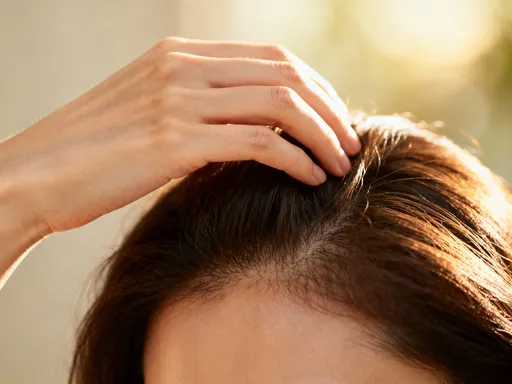
Scalp condition is equally important. A healthy scalp is the foundation for healthy hair. I look for signs of oiliness, flakiness, redness, or tightness. Occasional dryness or mild flaking might be due to weather or product buildup. But persistent dandruff-like flakes, especially with itching or pink patches, could indicate seborrheic dermatitis or another inflammatory condition. Excessive oiliness may reflect hormonal shifts or overactive sebaceous glands. I examine my scalp once a week using a magnifying mirror under consistent lighting. I part my hair in different sections to check for evenness and any localized irritation.
Growth rate is often misunderstood. Many think growth means hair getting longer quickly, but retention is just as important. Hair can grow an inch a month but break off just as fast if it’s weak. I track length retention by measuring the distance from root to tip in a few consistent spots—like the temples and nape—every four weeks. I use a soft tape measure and take photos to compare. If the length isn’t increasing despite no cutting, I look at factors like breakage, friction from clothing, or mechanical damage from styling.
Texture and elasticity are subtle but revealing. I perform a stretch test on a few strands: I gently pull a clean, dry strand to see how much it stretches before breaking. Healthy hair should stretch slightly and return. Brittle hair that snaps easily suggests protein loss or moisture imbalance. I also assess shine—dullness can indicate cuticle damage or dehydration. I keep a simple journal where I rate these factors weekly: shedding (low/medium/high), scalp (clear/flaky/oily), growth (stable/slow/improving), texture (strong/weak). Over time, patterns emerge.
Daily Habits That Affect Hair—And How I Adjust Based on Feedback
What I eat, how I sleep, and how I manage stress all influence my hair. Protein is essential because hair is primarily made of keratin, a structural protein. If my diet is low in quality protein sources, I notice my hair feels thinner and more fragile within weeks. Hydration also plays a role—water supports nutrient delivery to follicles and maintains scalp moisture. I aim to drink consistently throughout the day, especially in dry or hot climates.
Micronutrients from whole foods—like those found in leafy greens, legumes, eggs, and nuts—support hair integrity. I don’t rely on supplements unless advised by a doctor, but I pay attention to dietary patterns. For example, when I reduce animal products or go through a phase of eating mostly processed foods, I see a lag in hair strength. This feedback loop helps me make mindful food choices without restriction—just balance.
Sleep and stress are deeply intertwined with hair health. During deep sleep, the body repairs tissues and regulates hormones, including those involved in the hair cycle. When I’m sleeping poorly or under prolonged stress, cortisol levels rise. Elevated cortisol can shorten the growth phase of hair, leading to more strands entering the shedding phase later. I’ve noticed that after particularly demanding weeks, shedding increases about six to eight weeks later—a lag that makes it easy to miss the connection without tracking.
My haircare routine is another lever I adjust based on feedback. Over-washing can strip natural oils, leading to dryness and irritation. I’ve learned to space out washes and use gentler cleansers when my scalp feels tight. Heat styling tools, while convenient, can cause cumulative damage. If I notice increased breakage or split ends, I reduce heat use and incorporate protective styles or air-drying. Tight hairstyles like high ponytails or braids can lead to traction over time, especially if worn daily. I now rotate styles and avoid constant pulling on the same areas.
Environmental factors also play a role. Sun exposure can fade color and weaken strands. I wear hats or use UV-protective products during long outdoor days. Hard water, common in many areas, leaves mineral buildup that makes hair feel rough and look dull. I rinse with filtered water or use a clarifying wash weekly to manage this. Pollution can contribute to oxidative stress on the scalp. On high-pollution days, I rinse my hair or use a mild cleanse to remove residue. By adjusting these habits based on what my hair tells me, I stay in tune with its needs.
Tools That Help Me See What My Eyes Miss
While observation is key, some changes are too subtle to catch in the moment. That’s where simple tools come in. I use a basic magnifying mirror with LED lighting to examine my scalp weekly. Good lighting and magnification reveal early signs of inflammation, thinning density, or uneven texture that I might overlook otherwise. I check the same areas each time—crown, part lines, temples—to ensure consistency.
Monthly hair photos are one of my most useful tools. I take them under the same conditions: natural light, same angle, hair parted in the same way. I avoid styling for these photos to capture the true state of my hair. Comparing images over time reveals changes in volume, part width, and overall texture that aren’t obvious day to day. A photo from three months ago might show a wider part or less fullness at the crown—details I didn’t notice in the mirror because change is gradual.
I also keep a “bad hair day” log linked to lifestyle factors. When my hair feels unusually brittle, oily, or flat, I jot down what happened that day or the day before: meals, stress levels, sleep quality, exercise, product use. Over time, I’ve spotted patterns—like increased oiliness after high-sugar meals or more frizz during travel with dry cabin air. This log helps me connect external habits with internal responses.
When concerns persist, I consider professional tools—but only under guidance. Dermoscopy and trichoscopy are non-invasive imaging techniques used by dermatologists to examine hair and scalp at a microscopic level. They can detect early miniaturization of follicles, inflammation, or scarring that isn’t visible to the naked eye. I don’t use these at home, but I’ve had them done during specialist visits. The results provided clarity and ruled out conditions like alopecia areata or frontal fibrosing alopecia. These tools aren’t for self-diagnosis—they’re for informed discussion with a healthcare provider.
Connecting Hair Dots: What Changes Might Mean (Without Self-Diagnosing)
Tracking helps me see patterns, but I avoid jumping to conclusions. For example, I noticed sudden shedding about three months after recovering from a severe flu. Research shows that illness-induced stress can trigger telogen effluvium, a temporary shedding condition. Knowing this wasn’t permanent helped me stay calm. Similarly, when I shifted to a very low-carb diet, my hair became drier and more prone to breakage. This didn’t mean I had a disease—it likely reflected reduced energy availability to hair follicles. Small adjustments, like adding more complex carbs, helped restore balance.
Hormonal changes often show up in hair. After pregnancy, many women experience postpartum shedding as estrogen levels drop. I went through this and tracked it closely. Shedding peaked around four months postpartum and gradually improved. Perimenopause has also brought changes—my hair feels finer, and the texture has shifted slightly. These are normal transitions, but monitoring helps me distinguish them from abnormal loss.
Some signs, however, tell me it’s time to see a specialist. Patchy hair loss, especially in round or irregular shapes, isn’t typical shedding and could indicate alopecia areata. Scalp pain, burning, or persistent redness might signal an inflammatory condition. Rapid thinning over weeks—not months—warrants prompt evaluation. I also pay attention if hair loss is accompanied by other symptoms like fatigue, weight changes, or skin issues, as these could point to systemic conditions.
When in doubt, I consult a dermatologist or healthcare provider. Blood tests can check iron, ferritin, thyroid function, vitamin D, and other markers linked to hair health. A professional assessment ensures I’m not missing something serious or treating the wrong issue. I’ve learned that self-diagnosis can lead to unnecessary worry or delayed care. Monitoring isn’t about replacing doctors—it’s about preparing for better conversations with them.
Building a Sustainable Hair Health Routine—Mine Starts Here
My routine is simple, consistent, and flexible. I start with a personal checklist: wash-day notes (how hair feels after cleansing), weekly scalp check, monthly photo, and a brief review of the past four weeks. I use a notebook, though some prefer apps designed for symptom tracking. The goal isn’t perfection but awareness. I set reminders on my phone for monthly photos and weekly checks so I don’t forget during busy weeks.
I’ve learned to stay consistent without becoming obsessive. Hair monitoring is part of my self-care, not a source of anxiety. I don’t weigh myself or measure strands daily. I trust the process and focus on trends, not single data points. If I miss a week, I simply resume—no guilt. This mindset keeps the practice sustainable.
Celebrating small wins keeps me motivated. I noticed reduced breakage after switching to a silk pillowcase and looser hairstyles. My curls regained definition when I adjusted my conditioning routine. Less scalp itchiness followed a change in shampoo. These aren’t dramatic transformations, but they’re meaningful improvements. Each one confirms that my body responds to care and attention.
Ultimately, hair monitoring has become a form of listening. It’s taught me to honor my body’s signals and respond with kindness. Healthy hair isn’t about following trends or buying the latest product. It’s about consistency, observation, and balance. It’s a sign that I’m paying attention—not just to my hair, but to my overall well-being. And that, more than any style or volume, is what gives me confidence.