How I Kept My Recovery Going: Acupuncture, Massage, and the Real Long-Term Gains from Daily Movement
For years, I struggled with stiffness and low energy after an injury—until I combined acupuncture, massage, and consistent exercise. It wasn’t a quick fix, but over time, the changes were undeniable. This is what actually worked for me, how it changed my body’s response to pain, and why long-term commitment makes all the difference. I noticed deeper sleep, reduced muscle tension, and a renewed ability to move without hesitation. These shifts didn’t happen overnight, but by aligning my routine with my body’s natural rhythms, healing became sustainable. Always consult a healthcare professional before starting any new wellness routine.
The Lingering Problem: When Short-Term Fixes Fall Short
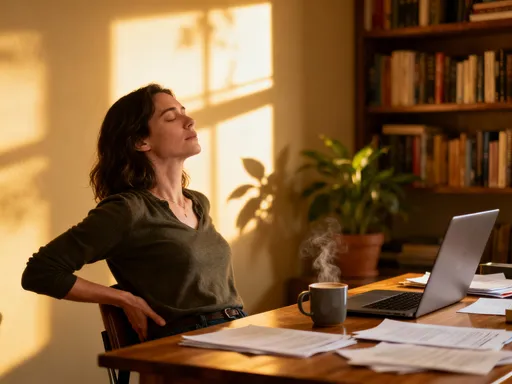
Many people experience pain or limited mobility after an injury and turn to conventional treatments like painkillers, ice, or short-term physical therapy. While these methods can offer temporary relief, they often fail to address the root cause of discomfort. For years, I found myself cycling through periods of improvement followed by setbacks. I would feel better for a week or two after a therapy session, only to return to stiffness and fatigue shortly after. This pattern is common among individuals dealing with chronic conditions or recovering from physical strain. The body may appear to heal on the surface, but underlying imbalances in muscle function, circulation, and nervous system regulation remain unaddressed.
The turning point came when I realized that healing is not an event, but a process. It requires ongoing attention and a holistic approach. Relying solely on reactive measures—such as taking medication when pain flares up—does little to support long-term recovery. Instead, I began to explore complementary methods that could work together to create lasting change. This shift in mindset was crucial: I stopped looking for a single solution and started building a routine that supported my body every day. The goal was no longer just symptom management, but true restoration of function and vitality.
What I discovered was that sustainable recovery depends on consistency, not intensity. It’s not about doing one intense session and expecting permanent results. Rather, it’s about showing up regularly with gentle, supportive practices that accumulate over time. This understanding opened the door to integrating acupuncture, massage, and daily movement into my life not as occasional treatments, but as essential components of my well-being. These tools didn’t promise instant miracles, but they delivered steady, measurable progress when applied with patience and care.
Why Acupuncture Earned My Trust Over Time
At first, acupuncture seemed mysterious—the idea of inserting thin needles into specific points on the body to relieve pain didn’t immediately make sense to me. But after learning more, I understood that acupuncture works by stimulating areas connected to the body’s natural regulatory systems. These points are not random; they are located along pathways known in traditional Chinese medicine as meridians, which modern research suggests may correspond to neural and connective tissue networks. The treatment doesn’t force change but encourages the body to rebalance itself, particularly in how it manages pain and inflammation.
Scientific studies have shown that acupuncture can influence the release of endorphins, the body’s natural painkillers, and reduce levels of inflammatory markers such as cytokines. It also appears to modulate nerve signaling, which can help decrease chronic pain sensations. For me, the benefits became clear after several weeks of weekly sessions. Initially, I noticed subtle shifts: less tightness in my shoulders, a slight improvement in my range of motion. Over time, these small gains added up. My morning stiffness decreased, and I found myself reaching for pain relievers less often.
What made the difference was consistency. I committed to weekly appointments for the first three months, then transitioned to monthly maintenance sessions. This schedule allowed my body to adapt and retain the improvements. I also learned that acupuncture isn’t just for pain relief—it supports overall nervous system balance. On days following a session, I felt calmer, slept more deeply, and had more energy. These effects weren’t dramatic, but they were reliable. Acupuncture didn’t cure me overnight, but it created the internal conditions where healing could take place more efficiently.
The Hidden Power of Therapeutic Massage in Recovery
Massage is often associated with relaxation, but therapeutic massage is different. It’s not just about feeling good in the moment; it’s a targeted intervention designed to address specific physical issues. Unlike spa treatments that focus on stress reduction, therapeutic massage works directly on muscle tension, scar tissue, and circulation. After my injury, I had areas of dense, fibrous tissue that limited movement and contributed to discomfort. Regular massage helped soften these adhesions, allowing my muscles to glide more freely and reducing the strain on surrounding joints.
One of the key benefits of consistent massage is improved blood flow. Enhanced circulation delivers more oxygen and nutrients to damaged tissues while helping remove metabolic waste products that can contribute to soreness and fatigue. This process supports cellular repair and reduces inflammation. Additionally, massage has been shown to downregulate the sympathetic nervous system—the part responsible for the “fight-or-flight” response—and activate the parasympathetic system, which promotes rest and recovery. For someone like me, who had been living with low-grade tension for years, this shift was transformative.
I began scheduling biweekly sessions with a licensed massage therapist trained in myofascial release and deep tissue techniques. Within a few weeks, I noticed increased flexibility, especially in my hips and lower back. Activities that once required effort, like bending down to tie my shoes or reaching for items on a high shelf, became easier. My sleep also improved significantly. I attributed this not only to physical relaxation but also to the mental relief of knowing I was actively supporting my body’s healing process. Over time, the cumulative effect of regular massage became one of the most reliable aspects of my recovery.
Exercise as the Missing Link: Why Movement Fuels Healing
For a long time, I believed that rest was the best way to recover from injury. I avoided movement, fearing that activity would worsen my condition. But research and personal experience have shown me the opposite: controlled, intentional movement is essential for healing. When tissues are injured, they begin to repair, but without proper stimulation, the new tissue can form in a disorganized way, leading to weakness or stiffness. Movement helps guide this repair process, encouraging collagen fibers to align properly and improving strength and flexibility.
The types of exercise that worked best for me were low-impact and focused on function. I incorporated gentle strength training using resistance bands and light weights, which helped rebuild muscle without placing excessive strain on my joints. Mobility drills, such as slow leg swings and shoulder circles, improved my range of motion and reduced stiffness. I also practiced functional movements like squatting, stepping, and walking with resistance, which prepared my body for everyday activities. These exercises weren’t strenuous, but they were consistent—something I did every single day, even if only for 15 to 20 minutes.
What surprised me most was how exercise amplified the benefits of acupuncture and massage. After a massage session, my muscles were more pliable, making movement easier and more effective. After acupuncture, my nervous system was calmer, allowing me to focus on proper form and breathing during exercise. The synergy between these practices created a positive feedback loop: each one enhanced the others. Over time, I went from feeling fragile to feeling strong and capable. Movement wasn’t just part of recovery—it became a source of empowerment.
Putting It All Together: My Weekly Routine That Actually Stuck
One of the biggest challenges in recovery is creating a routine that’s both effective and sustainable. I tried many approaches before finding one that fit into my life without feeling overwhelming. My current weekly schedule balances professional treatments with daily self-care. I schedule an acupuncture session once a week, typically on Tuesdays, which helps maintain nervous system regulation and keeps inflammation in check. Every other Friday, I see my massage therapist, allowing enough time between sessions for my body to integrate the benefits.
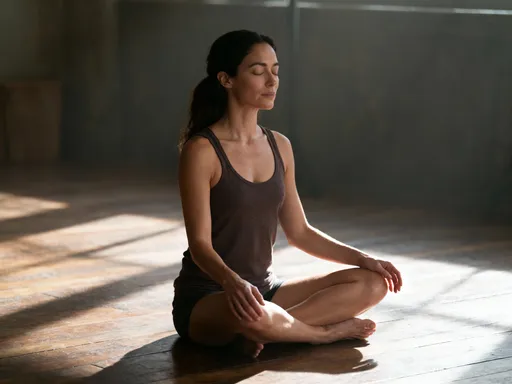
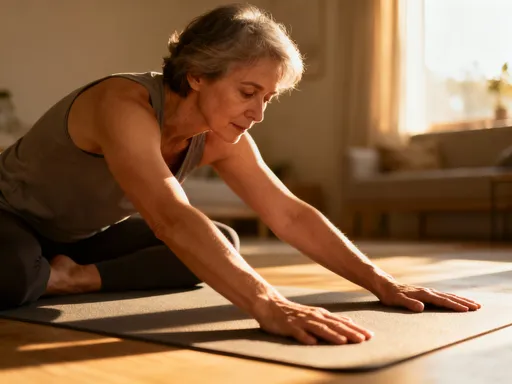
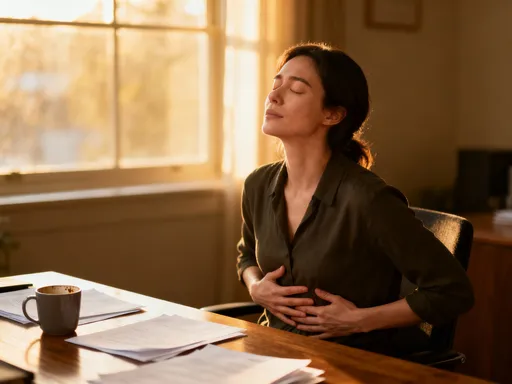
Every morning, I spend about 20 minutes on a mobility routine. This includes cat-cow stretches, thoracic rotations, ankle circles, and gentle hamstring flows. I follow this with five minutes of diaphragmatic breathing to activate my parasympathetic nervous system before starting the day. Throughout the week, I do light strength training three times, focusing on core stability, glute activation, and postural support. I also walk daily, often using resistance bands during walks to engage my muscles more actively. These aren’t intense workouts, but they keep my body moving in ways that support healing.
The key to sticking with this routine was prioritizing consistency over perfection. I didn’t need to do everything perfectly every day. Some days, I only had time for a short walk or a few stretches. But showing up, even in small ways, made a difference. I also learned to listen to my body—if I felt unusually fatigued, I would skip strength training and focus on breathing and gentle movement. This flexibility prevented burnout and helped me stay engaged long-term. Over time, this routine became less of a “recovery plan” and more of a lifestyle—one that supported not just physical healing, but overall well-being.
What Science Says: The Combined Effect on the Body
While personal experience is valuable, it’s reassuring to know that science supports the benefits of this integrated approach. Research has shown that acupuncture and massage both contribute to reduced levels of cortisol, the primary stress hormone. Elevated cortisol can impair healing by promoting inflammation and suppressing immune function. By lowering cortisol, these therapies create a more favorable environment for tissue repair. They also enhance parasympathetic nervous system activity, which is essential for rest, digestion, and recovery.
Exercise, particularly low-intensity, regular movement, plays a complementary role. Physical activity stimulates the lymphatic system, which helps remove waste products and excess fluid from tissues. This process reduces swelling and supports immune function. Additionally, movement increases the production of growth factors that aid in muscle regeneration and connective tissue repair. When combined with acupuncture and massage, exercise helps ensure that the benefits of these therapies are not only felt temporarily but are reinforced and maintained.
Perhaps most importantly, these methods work synergistically. They don’t just add to each other—they multiply each other’s effects. For example, massage improves blood flow, which enhances the delivery of nutrients needed for muscle repair during exercise. Acupuncture reduces nerve sensitivity, making movement more comfortable and sustainable. Exercise, in turn, helps maintain the mobility gains achieved through bodywork. This interconnected system supports not just symptom relief, but long-term functional improvement. The body responds best when multiple systems—nervous, circulatory, muscular—are supported simultaneously.
Staying Safe and Smart: When to Seek Professional Guidance
While acupuncture, massage, and movement can be powerful tools, they are not substitutes for medical evaluation and treatment. It’s essential to work with qualified healthcare providers to understand the nature of your condition. Some injuries require specific medical interventions, and delaying proper diagnosis can lead to complications. Always consult a doctor or physical therapist before beginning any new wellness routine, especially if you have a history of chronic pain, recent surgery, or underlying health conditions.
When seeking acupuncture or massage, choose licensed practitioners with experience in treating recovery and musculoskeletal issues. A qualified professional will assess your individual needs and tailor treatments accordingly. They can also identify red flags that may require medical follow-up. Self-diagnosing or relying solely on alternative therapies without professional input can be risky. These methods are most effective when used as part of a comprehensive care plan, not as standalone solutions.
Additionally, pay attention to how your body responds. Some mild soreness after a massage or acupuncture session is normal, but sharp pain, swelling, or worsening symptoms should be evaluated by a healthcare provider. Progress in recovery is often gradual, and setbacks can occur. The goal is not perfection, but steady improvement. By staying informed, working with experts, and listening to your body, you can navigate your recovery journey safely and effectively.
True recovery isn’t about fast results—it’s about showing up for your body, day after day. By integrating acupuncture, massage, and mindful movement into my life, I didn’t just heal; I rebuilt resilience. These tools aren’t magic, but together, over time, they create something powerful: sustainable well-being. The journey required patience, consistency, and a willingness to learn from both successes and setbacks. What began as a search for pain relief became a deeper commitment to self-care and long-term health. Always consult a qualified healthcare provider to find the right path for you.